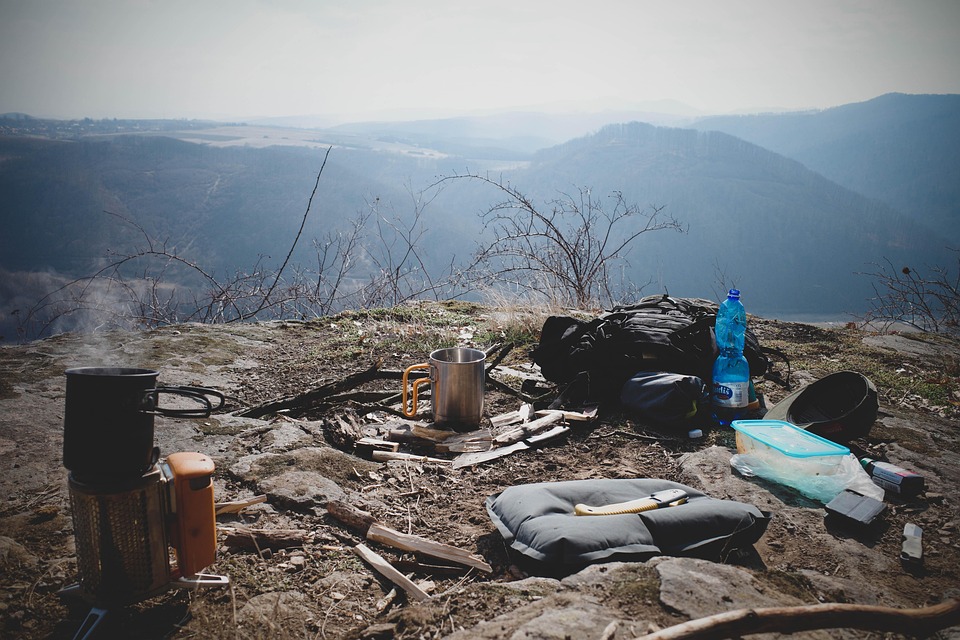
Beach camping offers a unique outdoor experience that combines the best of nature with the vibrant ambiance of sun and sand. It’s an excellent opportunity to unwind, explore, and create lasting memories with family and friends. To ensure your adventure is both enjoyable and safe, it’s essential to be well-equipped. Below are key gear items you should consider bringing along to make your beach camping adventure unforgettable.
1. Tent and Sleeping Gear
Your tent is your sanctuary on the beach, so choosing the right one is crucial. Here are some essentials:
- Beach-Specific Tent: Look for a tent designed with beach conditions in mind. They should be lightweight, durable, and capable of withstanding sand and wind.
- Sleeping Bag: A lightweight sleeping bag with a temperature rating suitable for warmer nights will keep you cozy.
- Sleeping Pad: An inflatable or foam sleeping pad will add comfort and insulation from the ground.
2. Lighting Solutions
As the sun sets, you’ll need adequate lighting to navigate around your campsite:
- Lanterns: Solar-powered or battery-operated lanterns can provide ambient lighting for your campsite.
- LED Headlamps: A hands-free option for tasks requiring light, such as cooking or navigating.
- String Lights: These can add a festive touch to your camping setup while providing illumination.
3. Cooking Gear
Eating well while camping enhances the experience, so invest in some reliable cooking gear:
- Portable Grill: A compact and lightweight portable grill can make cooking enjoyable and straightforward.
- Cookware: Bring pots, pans, and utensils suitable for cooking on the beach. Consider non-stick options for easy cleaning.
- Cooler: A high-quality cooler will keep your food and beverages cold and fresh.
- Portable Cooking Stove: A double burner camp stove is great for quick meals without the hassle of a grill.
4. Nutrition and Water Supplies
Staying hydrated and well-nourished is key to enjoying your beach camping experience:
- Water Containers: Large, refillable water jugs or collapsible water containers are essential for drinking and cooking.
- Snacks: Pack plenty of high-energy snacks like granola bars, nuts, and dried fruits for quick boosts.
- Easy Meal Kits: Pre-packaged, high-quality meal kits that require minimal preparation can save you time and effort.
5. Beach-Appropriate Clothing
Your clothing can make a significant difference in your comfort level while camping:
- UV Protection Clothing: Lightweight, long-sleeved shirts and pants can provide protection from the sun.
- Swimwear: Don’t forget your swim trunks or bikini for those refreshing ocean dips.
- Footwear: Water shoes or sandals are ideal for walking on the beach without worrying about hot sand.
- Outer Layers: A windbreaker or light jacket can be useful for cooler evenings or unexpected breezes.
6. Safety and First Aid Gear
Safety should always be a priority when you’re out in the wilderness:
- First Aid Kit: A well-stocked first aid kit should be prepared to handle minor injuries and emergencies.
- Insect Repellent: Keep the bugs at bay with a reliable insect repellent, especially during sunset.
- Sunblock: Protect your skin with a high-SPF sunscreen that is water-resistant.
- Emergency Whistle: A whistle can be a helpful signaling tool in case you find yourself separated from your group.
7. Fun and Recreation Gear
While camping is about relaxation, bringing along some fun activities can enhance your experience:
- Beach Games: Items like frisbees, beach balls, or paddleball sets can provide hours of entertainment.
- Snorkeling Gear: If you’re staying by a reef or clear waters, consider bringing snorkels and masks.
- Fishing Gear: If you’re keen on fishing, ensure you have a fishing rod and necessary permits.
8. Beach Chairs and Umbrellas
Comfort at the beach is essential, so consider these items:
- Portable Beach Chairs: Lightweight, foldable chairs make lounging on the shore more enjoyable.
- Beach Umbrella: A sturdy umbrella will provide shade and protection from the sun.
9. Navigation and Communication Devices
Staying connected or finding your way can be vital, especially in a remote area:
- GPS Device: A handheld GPS can be handy for finding trails or your way back to your campsite.
- Smartphone: Always carry a portable charger to keep your phone powered.
- Two-Way Radios: In areas with poor reception, having a reliable communication method is crucial.
10. Waste Management Supplies
Leave No Trace principles are essential for preserving the beauty of the beach:
- Trash Bags: Bring along trash bags to collect all your waste, from food scraps to packing materials.
- Compostable Items: Where possible, opt for compostable plates and utensils to minimize your environmental impact.
Conclusion
Equipping yourself with the right gear sets the stage for an incredible beach camping adventure. From comfortable sleeping arrangements to cooking conveniences and recreational fun, the potential for memorable experiences is endless. Planning ahead and ensuring you have everything you need will not only help you relax and enjoy your surroundings but will also enhance your safety and experience. So pack your gear, grab your friends or family, and set off on a journey filled with sun, sand, and unforgettable moments!
FAQs
1. What is the best time of year for beach camping?
The best time for beach camping typically depends on your location. Generally, late spring through early fall provides the warmest weather and the least chance of rain. Always check local weather conditions before planning.
2. Can I bring my pet when beach camping?
Most beaches have pet regulations, so it’s crucial to check local rules about pets. Some beaches are pet-friendly, while others may have restrictions, especially in peak seasons.
3. How do I stay safe from the sun while camping on the beach?
Wear protective clothing and a wide-brimmed hat, use sunscreen with a high SPF, and seek shade during peak sun hours (10 AM – 4 PM). Drinking plenty of water is also essential to avoid dehydration.
4. How do I keep my food from spoiling?
Use a high-quality cooler filled with ice packs to keep perishables chilled. Frozen foods can double as ice packs and stay fresh longer. Additionally, opt for non-perishable foods when possible, such as canned goods or dehydrated meals.
5. Is it safe to swim while beach camping?
Swimming is generally safe; however, always pay attention to local flags or warnings about the water conditions. Be aware of potential hazards like currents or jellyfish. It’s wise to swim in designated areas and never go alone.