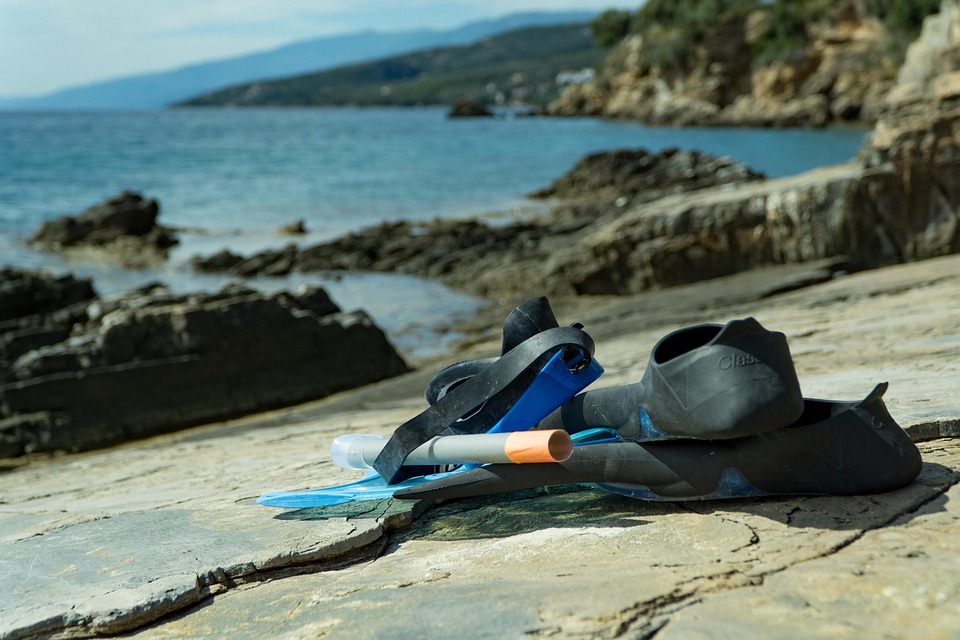
Snorkeling is an exciting way to explore the underwater world without the need for complex dive gear or extensive training. It provides an incredible opportunity to observe marine life, coral reefs, and the beauty of our oceans. However, to fully enjoy this activity, having the right gear is essential. This guide will walk you through the essential gear needed for snorkeling, tips on selecting the best equipment, and answers to frequently asked questions.
Understanding Snorkeling Gear
Before diving into gear selection, let’s quickly overview the primary components of snorkeling equipment:
- Mask: A mask allows you to see underwater by creating an air space in front of your eyes. It should seal well to your face to prevent water from leaking in.
- Snorkel: The snorkel is a breathing tube that allows you to breathe while keeping your face in the water. A good snorkel should be comfortable and have a splash guard.
- Fins: Fins provide propulsion and make it easier to move through the water. They help conserve energy and also make swimming more efficient.
- Wetsuit or Rash Guard: Depending on water temperature, a wetsuit can provide insulation, while a rash guard offers protection from the sun and abrasions.
- Buoyancy Aid: While not essential, a buoyancy aid can enhance your comfort level, especially for beginners.
- Safety Equipment: Items like floats, flags, or diving compasses can enhance safety during snorkeling.
Choosing the Right Snorkeling Gear
1. Snorkel Masks
When selecting a snorkel mask, consider the following:
- Fit: The most crucial factor; the mask should create a seal around your face. Test it by placing the mask on your face without using the strap and inhaling through your nose. If it stays in place, it’s a good fit.
- Lens Type: Masks can be single-lens or dual-lens. Dual-lens masks offer more options for prescription lenses, while single-lens masks have fewer seams, providing an unobstructed view.
- Volume: Low-volume masks are closer to your face and require less effort to clear water but may not provide as good of a field of vision as high-volume masks.
2. Snorkels
When choosing a snorkel, keep the following points in mind:
- Type: There are standard snorkels, semi-dry, and dry snorkels. Dry snorkels have a mechanism that prevents water from entering when you dive below the surface, making them ideal for beginners.
- Comfort: Look for a snorkel with a comfortable mouthpiece and a flexible tube that allows for ease of movement.
3. Fins
Fins can significantly enhance your snorkeling experience. Here’s what to consider:
- Size and Fit: Make sure they fit snugly but aren’t too tight. Test them by walking around in them; you should be able to kick comfortably.
- Type: Open-heeled fins are adjustable and allow for the use of booties, while full-foot fins are ideal for warm water conditions.
- Style: Consider the blade size and shape; longer blades give more propulsion but require more effort, while shorter blades offer more control in tight spaces.
4. Wetsuits & Rash Guards
Your choice of wetsuit or rash guard will depend on water temperature and personal comfort. Here are some points to keep in mind:
- Thickness: Wetsuits come in various thicknesses measured in millimeters. Thicker suits provide more insulation, while thinner suits are better for warmer waters.
- Fit: Aim for a snug fit that allows for movement. Loose suits can allow water to circulate inside, reducing their effectiveness.
- Rash Guards: These are useful for sun protection and reducing the risk of scrapes while snorkeling, particularly on coral.
5. Safety & Comfort Equipment
While snorkeling is relatively safe, it’s always wise to be prepared. Here are some safety considerations:
- Floating Devices: A snorkel vest can provide additional buoyancy and comfort.
- Underwater Cameras: If you want to capture your snorkeling adventures, consider investing in a waterproof camera.
Care and Maintenance of Your Gear
Knowing how to care for your snorkeling gear is just as important as selecting the right equipment:
- Cleaning: Rinse your gear with fresh water after each use to remove salt and sand, which can damage materials.
- Storage: Store your equipment in a cool, dry place away from direct sunlight to prevent damage.
- Regular Inspection: Check your gear regularly for signs of wear and tear, replacing any damaged components.
Conclusion
Snorkeling opens up a world filled with the beauty of marine life, and having the right gear enhances that experience immensely. By understanding the essentials of snorkeling gear and considering your specific needs, you can confidently select equipment that will serve you well during your aquatic adventures. Remember that your comfort and safety are paramount, so invest the time to find gear that fits correctly and meets your activity requirements. With the right preparation, snorkeling can be an unforgettable and enriching experience.
FAQs
1. Can I snorkel without a wetsuit?
Yes, you can snorkel without a wetsuit, especially in warm water conditions. However, a wetsuit offers thermal protection and protection against sunburn and abrasions.
2. How do I know what size fins to buy?
Fins should fit snugly without being too tight. Most manufacturers provide size charts based on shoe size, but it’s best to try them on if possible.
3. Is snorkeling safe for beginners?
Yes, snorkeling is generally safe for beginners if you follow basic safety guidelines—snorkel in calm waters, use a buddy system, and always be aware of your surroundings.
4. What should I do if water gets into my snorkel?
If water gets in your snorkel, you can either exhale forcefully to clear it or lift your head out of the water to drain it before resuming normal breathing.
5. Can I wear glasses while snorkeling?
If you wear prescription glasses, consider getting a mask with prescription lenses or using contact lenses. Regular glasses can get lost or damaged in the water.